The Hit Matrix
A Genre Analysis of Netflix's Most-Watched Movies (Jan–Jun 2025)
Data: Netflix Engagement Report · OMDb API · TMDB API
Not all hits are the same.
If we look at plot popularity (total views) against critical reception (IMDb rating), we can divide them into four families:
Prestige Powerhouses, Crowd Magnets, Critical Darlings, and Cult Gems.
Comedy, action, and drama dominate audience size—the first two draw mixed reviews, while drama edges into the high-rating, high-viewership quadrant on the top right.
Top three most watched overall


Bottom-right is the high-end zone: fewer titles, strong acclaim: documentary, history, biography.
Top critical darlings by IMDb rating



The lower-left is the cult corner, and horror is its poster child: lower budgets, strong identity, small and loyal audiences.
The lower average rating of all.
Horror genre
Average IMDb rating
5.7/10
Average views by movie
1.4M
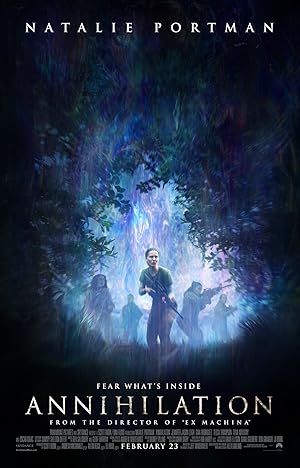
Most watched horror movies by rating
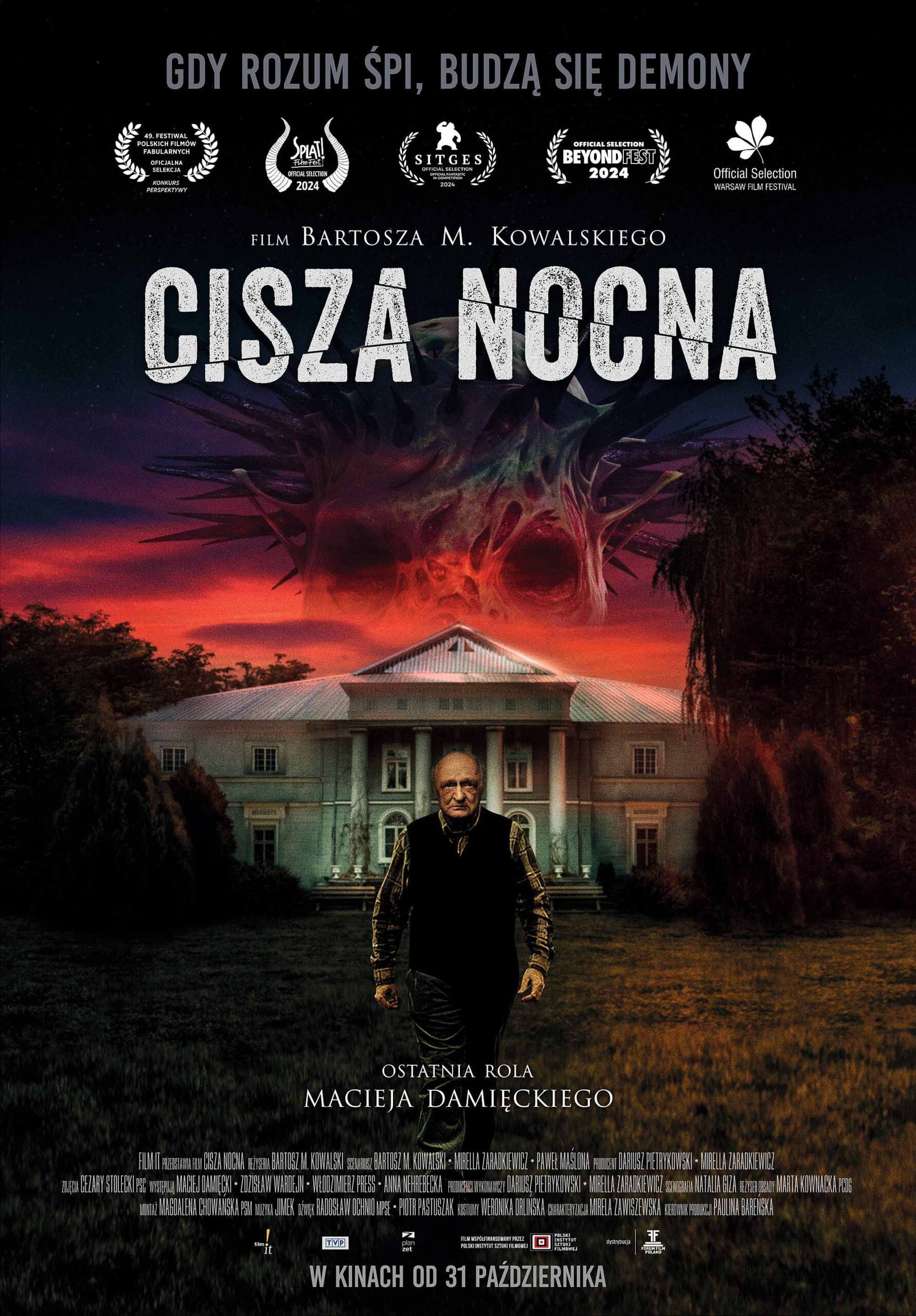


Most watched horror movies by views



As genres blur and intertwine, horror holds onto its base.
Most titles orbit around a set of core fears, transversal across time and contexts.
So what, exactly, are we afraid of?
Fears can be grouped into broader families that trace different dimensions of our core anxieties.
Hover over each bar to see its definition. Click Methodology (upper right) to read about how films were classified.
Societal & Structural Horrors
Systems of order can become instruments of fear. Through surveillance, manipulation, or collapse, institutions, power structures, and unseen networks reveal the violence hidden within order itself.



Psychological & Internal Horrors
Some horrors turn fear inward. The threat emerges from the family, the mind, or the self. What terrifies us most is not the unknown, but the familiar made strange.


Physical Horrors
Fear takes physical form. In captivity, contagion, and body horror, control over the body itself slips away—contaminated, fragmented, or remade.


But horror isn't the same everywhere.
Netflix's most-watched list shows how strongly each country is represented, its themes shaped by local culture and production trends.
Global patterns emerge. The United States stands alone with more than 200 titles.
Among the countries that follow are Canada and the United Kingdom, reflecting the prominence of English-language production.
Indonesia ranks third overall. According to the Indonesian Film Board, roughly 60% of the films produced in 2024 were horror, making it one of the most horror-driven film industries in the world.
Ultimately, fear is universal.
What changes are the masks it wears — each one capturing, transforming, and reflecting our anxieties into different forms.
Use the filter on the map to explore fear categories by country.
Methodology
This project employs a hybrid methodology. The taxonomy of core fear types was designed manually, drawing on scholarship that links horror to recurring human anxieties. A large-language model (LLaMA 3 8B, run locally through Ollama) was then prompted with each film's title, synopsis, and keywords, using these definitions and labeled examples to identify the primary fear driving its horror. Model outputs were manually reviewed and refined.
Once individual films were classified, several fear types were consolidated into three higher-order supergroups—Societal & Structural Horrors, Psychological & Internal Fears, and Physical Horrors—each representing a distinct dimension of human anxiety.
Posters images were analyzed using CLIP embeddings, PCA, and k-means clustering to identify recurring visual motifs across films.
As with any interpretive method, the results are not perfect or definitive, but they offer a structured overview of how horror mirrors core human fears.